Recycling and reuse tips for Lewisham rubbish removal
Posted on 06/05/2026
If you are clearing a flat after a move, emptying a loft that has become a time capsule, or finally dealing with the pile that has been growing in the spare room for years, the waste question lands fast. What can be reused? What should be recycled? What actually needs to be taken away? Good recycling and reuse tips for Lewisham rubbish removal make the whole job calmer, cheaper, and far less wasteful. They also help you avoid the awkward moment where perfectly usable items end up in the wrong pile because nobody had time to sort them properly. To be fair, most people do not start a clearance project thinking about material streams and disposal routes. They just want the place back. But a little planning goes a long way, especially in a borough like Lewisham where a mixed bag of furniture, cardboard, electricals, garden cuttings, and bagged waste can add up very quickly.
This guide breaks the process down in plain English. You will see how to separate items for reuse, what can usually be recycled, how to prepare waste so it moves through a clearance efficiently, and where people commonly trip up. It also covers practical standards, compliance basics, and a realistic example so you can make better decisions before the van turns up outside and the clock starts ticking.
Expert summary: the best rubbish removal results are rarely about taking the most stuff away in the fastest way. They come from sorting well, keeping reusable items out of the waste stream, and making sure recyclables are clean, dry, and easy to handle. A little effort before collection can make a surprising difference.

Why recycling and reuse matter in Lewisham rubbish removal
Recycling and reuse are not just nice extras. They change the entire shape of a clearance job. In practical terms, they reduce the amount of waste sent for disposal, improve the value you get from the job, and help make sure usable items stay in circulation rather than becoming landfill-bound rubbish. That matters in any borough, but in Lewisham it matters especially because homes here often have limited storage, tight access, and a mix of old and new possessions that can be awkward to sort at the last minute.
There is also a simple truth that many people only notice once they start lifting things: not everything that looks like waste actually is waste. A wooden shelf with a chipped edge may still suit a garage. A chair with a tired cushion might be ideal for a student flat after a quick clean. Even a box of mixed kitchenware can often be split into keep, donate, recycle, and dispose piles in under half an hour if you are focused.
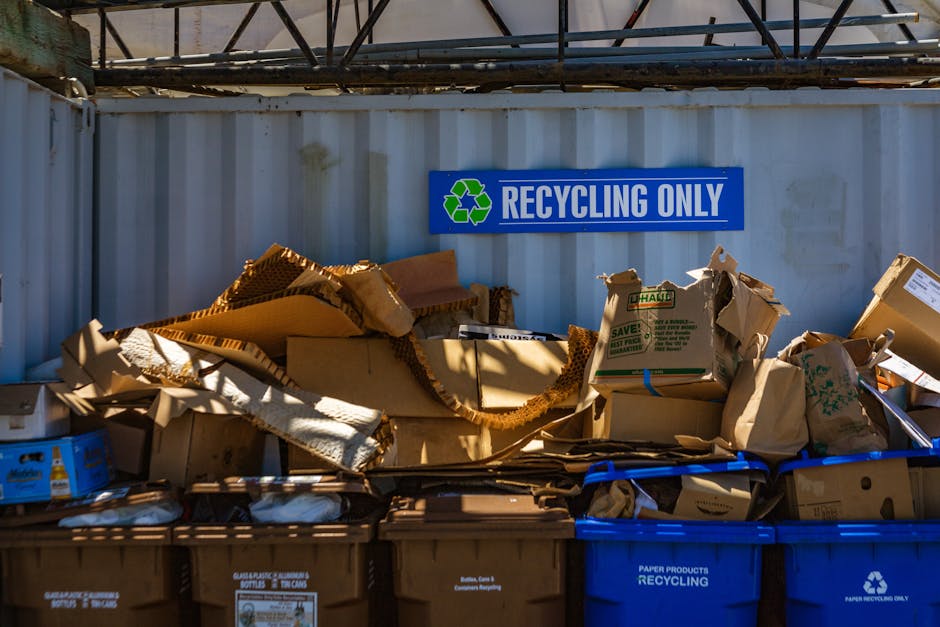
Recycling and reuse also support a more efficient clearance process. When items are pre-sorted, loading is smoother and the team can place materials into the right stream more easily. That means fewer mistakes, less contamination, and a better chance that materials like metal, cardboard, clean timber, and some plastics can be handled properly. If you want to see how a broader clearance service fits into that process, the rubbish removal service page gives a useful overview of how collections are typically organised.
There is a human side to this too. Plenty of clear-outs happen after a bereavement, a tenancy change, a renovation, or a difficult patch in life. In those moments, being able to reuse what can be saved and recycle what can be recovered can feel more respectful than simply tipping everything into one load. It gives the whole job a bit more dignity. Sounds small. It isn't, really.
How recycling and reuse in Lewisham rubbish removal works
The process is straightforward when you break it down. First, items are assessed for reuse. Then materials that can be recycled are separated from the general waste. Finally, the remaining non-recyclable waste is collected and taken to the appropriate disposal or processing route. The exact handling depends on the item type, condition, contamination, and local collection arrangements, but the basic logic stays the same.
Reusable items are usually the easiest win. Think furniture in decent condition, books, children's toys, kitchen equipment, and household goods that are clean and complete. These can sometimes be passed on, donated, or sold. Recyclable items include clean cardboard, paper, metals, some rigid plastics, glass, and certain types of wood or green waste, though the details depend on local processing and how contaminated the items are.
Here is where people often get caught out: recycling is not just about the material, it is about the quality of the material. A cardboard box soaked with food residue is not the same as a clean flattened box. A bag of mixed plastics and food scraps is not the same as sorted, rinsed bottles. Small things matter. A greasy takeaway container can spoil a batch more quickly than people realise.
If your clearance includes mixed waste, bulky items, or multiple rooms, it helps to plan the job in stages rather than treating it like one giant bin bag mountain. A decent clearance approach often uses three simple streams:
- Reuse - items with enough life left to be passed on or used again.
- Recycle - items that can be sorted into accepted material groups.
- Dispose - items that are damaged, contaminated, or unsuitable for the other two streams.
For many households, that is all the structure they need. If there are bulky items involved, it is worth checking service options in advance. A dedicated bulky waste removal service can be helpful when sofas, wardrobes, mattresses, or broken furniture are taking up most of the room.
Key benefits and practical advantages
The benefits are wider than most people expect. Yes, recycling and reuse can reduce waste volumes. But there are some less obvious advantages that make a real difference during a clearance.
1. Less clutter, less stress
When items are sorted properly, the room looks under control much sooner. That matters. A tidy floor makes the next decision easier, and the next one easier after that. Anyone who has tried to empty a packed loft at 7pm on a weekday will know the value of momentum.
2. Better value from items you no longer need
It is a shame to dispose of furniture or homeware that still has usable life. Reuse opens the door to donation, resale, or simple rehoming. A coffee table that no longer suits your flat might be exactly right for someone else. Funny how that works.
3. Cleaner, more efficient loading
Separated loads are easier to move and less likely to become contaminated. That can make the physical collection smoother and reduce the time spent sorting at the kerb or in the driveway. The practical result is simple: less faff, fewer surprises.
4. A more responsible environmental outcome
Reusing and recycling helps reduce unnecessary disposal. You do not need a lecture to know this matters. People in Lewisham, like people everywhere, want waste handled sensibly. The best rubbish removal approach is one that takes responsibility seriously without making the process complicated.
5. A better fit for property moves and renovations
During a move or refurbishment, every minute counts. Sorting waste well keeps the project moving and helps trades, tenants, or landlords hand the space over cleanly. If you are planning a larger property clean-out, the house clearance service page is a useful place to understand how whole-home clearances are typically handled.
| Approach | Best for | Typical outcome | What to watch |
|---|---|---|---|
| Reuse first | Good-condition furniture, homeware, books, toys | Items stay in circulation and waste volume drops | Needs a quick quality check and clean condition |
| Recycle second | Clean cardboard, metal, some plastics, glass, green waste | Materials can be reprocessed | Contamination can ruin the load |
| Dispose last | Broken, dirty, mixed, or unsafe items | Remaining waste removed in the correct stream | Can be costlier if too much ends up here |
Who this is for and when it makes sense
This approach makes sense for almost anyone clearing waste in Lewisham, but a few groups benefit especially.
- Homeowners and tenants dealing with a move, end-of-tenancy tidy-up, or house refresh.
- Landlords and letting agents who need properties cleared quickly and presentably between occupancies.
- Families sorting years of accumulated items after a room reorganisation or bereavement.
- Trades and renovators handling packaging, offcuts, old fixtures, and stripped-out materials.
- Small businesses clearing office furniture, storage spaces, stock, or mixed commercial waste.
It is particularly useful when the waste load is mixed. If you have one pile of old furniture, another of cardboard and wrapping, and a third of random household bits, a recycling and reuse mindset keeps the job from becoming a generic all-in-one dump. That is where people save time and avoid unnecessary disposal. It is also the right approach if you want to reduce the amount of material that ends up in a skip or collection van without any sorting at all.
And if your waste includes electrical items, you should not just toss them in with general rubbish. Separate handling is usually needed for items like kettles, microwaves, TVs, monitors, and cables. For more detail on that side of things, the electrical recycling page is a relevant guide.
Step-by-step guidance for sorting items
If you want a simple method that works in the real world, use this. No complicated systems. No colour-coded chaos unless you are into that sort of thing.
Step 1: Walk the space slowly
Start with a full sweep of the room, loft, garage, or garden area. Look for items that are obviously reusable. Ask yourself a blunt question: would I be annoyed if this were thrown away by mistake? If yes, it deserves a second look.
Step 2: Pull out reusable items first
Set aside anything in usable condition. Furniture, mirrors, kitchenware, books, unopened household goods, and decent storage containers are common candidates. Check for missing parts, heavy damage, mould, or strong odours. If an item is only half-useful, it may still be reusable after a clean or a minor repair.
Step 3: Separate clean recyclables
Flatten cardboard, empty containers, and keep similar materials together where possible. Metal items should be grouped separately from soft plastics and paper. A little sorting now can prevent contamination later, which is the bit people regret if they leave it too late.
Step 4: Isolate anything hazardous or special
Items like paint, solvents, batteries, fluorescent tubes, fridges, and certain electricals need particular handling. Do not mix them with general waste. Even if a collection service can take them, it is better to point them out clearly and keep them apart.
Step 5: Decide what is truly waste
This is the honest bit. Some items are just done. Broken furniture with mould, damp-soaked paper, torn mattresses, and heavily contaminated packaging usually belong in disposal. That is fine. The goal is not to save everything, only to keep useful material out of the wrong stream.
Step 6: Make collection easy
Bundle like with like. Keep doorways clear. Put lighter items near the exit and heavier items in a safe, accessible place. If you have a front garden or narrow stairwell, mention that in advance. It sounds obvious, but these small details save a lot of grief on the day.
A quick rule of thumb: if a collection team can identify your reusable, recyclable, and disposal piles in seconds, you are doing it right.
Expert tips for better results
These are the little habits that make clearance work better. Nothing flashy. Just the kind of practical stuff experienced people learn after dealing with enough messy jobs.
- Keep items dry. Wet cardboard and soaked soft furnishings are much harder to process.
- Remove obvious contaminants. Food residue, liquid, loose dirt, and mixed rubbish can spoil recyclables.
- Break down bulky packaging. Flat cardboard is easier to handle than a towering pile of boxes.
- Check for hidden reuse value. A scratched table may still be fine with a cover or repaint.
- Separate mixed drawers and cupboard contents. You would be surprised how often reusable items get buried in there.
- Label piles if the job is large. Even a simple note on paper helps avoid confusion.
One thing people forget is timing. If a property is busy with decorators, movers, or cleaners, do the sorting before the other work makes a mess of it. A freshly cleaned room is easier to assess than a room with dust, packing tape, and a half-assembled wardrobe in the corner. Truth be told, that one small scheduling choice can save an afternoon.
If you are dealing with a business clear-out, you may also want to look at office clearance information, since commercial spaces often produce a different mix of furniture, paper, electronics, and confidential waste than a home does.

Common mistakes to avoid
Most mistakes are easy to avoid once you know what they look like. The tricky part is that they often happen when people are in a hurry.
Mixing recyclables with food waste
This is probably the most common issue. A few greasy containers or half-empty bottles can contaminate an otherwise useful pile. Keep anything with residue separate unless you are sure it is acceptable.
Assuming old equals useless
Many items still have value in a reuse stream. People are often too quick to dispose of wooden furniture, garden tools, baby items, or storage units that only need a small fix. That does not mean everything should be saved. It just means take a breath before tossing it.
Ignoring electrical items
Electrical waste should not be bundled into random rubbish. Cables, chargers, monitors, and broken appliances may need separate handling. If you have a stack of gadgets in a cupboard, sort them properly before collection.
Leaving sorting until the van arrives
This one is a classic. You think you will "deal with it on the day", and then you are standing there with a sofa cushion in one hand and a mystery box in the other, trying to remember where the batteries are. Much easier to sort first.
Forgetting access and lifting safety
Heavy items should not be left where they block exits or create trip hazards. Keep paths open, especially in narrow hallways or stairwells. Safety and speed go together more than people think.
Tools, resources and recommendations
You do not need fancy kit for a decent sort, but a few simple tools make the job less painful.
- Strong recycling bags or boxes for separating paper, plastics, and mixed recyclables.
- Marker pens and labels if you are dealing with multiple rooms or helping someone else sort.
- Work gloves for dusty lofts, sheds, or garden clearances.
- Cleaning wipes or a cloth for wiping down reusable items quickly.
- Tape and scissors for flattening boxes and bundling loose packaging.
- A phone camera for photographing items you may want to donate, sell, or identify later.
For practical planning, it can also help to review service information before the clearance day. If you are not sure how different collection types are organised, the waste collection page can help you think through what belongs in each stream. And if you are comparing removal options for awkward heavy items, the furniture removal page is relevant too.
Another useful habit is to create a small "maybe" pile. Not everything needs an instant yes or no. Put uncertain items aside, finish the obvious sorting, then come back to them with fresh eyes. It sounds simple because it is. Often the best way.
Law, compliance, standards, and best practice
When rubbish is removed from homes or businesses, it should be handled responsibly and in line with UK waste handling expectations. You do not need to memorise legislation to make a sensible decision, but a few principles matter.
First, waste should be transferred to a legitimate carrier and taken to an appropriate facility. If you are using a clearance service, it is reasonable to expect that they handle waste lawfully and can explain what happens to common materials. Second, certain items require care because they can pose safety or environmental risks. This includes electricals, batteries, chemicals, oils, and some construction materials. Third, recyclable and reusable items should be kept as clean and uncontaminated as practical so they remain useful.
Best practice also means being honest about what is in the load. If there are hazardous or unusual items, say so early. If there is a lot of mixed waste, mention that too. Nobody likes a surprise fridge at the back of the garage. Well, almost nobody.
For landlords, property managers, and businesses, record-keeping matters too. It is sensible to know what was removed, what was kept for reuse, and what needed disposal. That kind of basic tracking can make future planning easier and helps show that waste has been handled with care.
Practical takeaway: if you sort before collection, separate special items, and use a reputable service that handles waste properly, you are already doing most of the important compliance work.
Options, methods, and comparison table
There is more than one way to approach a clearance. The right method depends on how much you have, how quickly it needs to go, and how much sorting you are willing to do yourself.
| Method | Best for | Pros | Cons |
|---|---|---|---|
| Reuse-first sorting at home | Households with mixed but manageable items | Best chance of keeping usable items out of waste | Takes time and a little space |
| Bulky item collection | Sofas, beds, wardrobes, large pieces | Quick and practical for heavy items | Less flexible for mixed small waste |
| Full house clearance | Large or urgent clear-outs | Efficient for whole-property jobs | Needs good communication to sort reuse and recycling well |
| Office or commercial clearance | Workspaces, stockrooms, business premises | Handles furniture, paper, and equipment in one plan | Confidential or electronic items may need extra care |
In many cases, the best result comes from combining methods. For example, you might reuse what you can, recycle clean packaging and metal items, and then book a collection for the heavy mixed waste. That is usually more sensible than trying to force everything into one category.
Case study or real-world example
Picture a typical Lewisham two-bedroom flat after a move-out. There are two sofas, a coffee table, three boxes of books, some flat-pack packaging, a dead printer, a broken desk chair, and a handful of kitchen items left in the cupboard because nobody wants to argue about who owns the mug set.
The first pass is simple. One sofa is still clean and solid, so it is marked for reuse. The second has a torn cover and a sagging seat, so it goes to disposal. The books are split again: some are kept, some are donated, and a few water-damaged ones are recycled where possible. The cardboard packaging is flattened. The printer and cables are separated from general rubbish. The coffee table gets a quick check and, after a wipe-down, is found to be perfectly decent.
What would have been one large, mixed load becomes a more thoughtful clearance. Less waste is thrown away. The collection is quicker because the items are sorted. And the flat looks more controlled because the obvious keep/reuse decisions were made early, not in a panic at the end.
That is the real lesson. You do not need a perfect system. You just need a workable one that is good enough to keep the useful stuff useful.
Practical checklist
Use this checklist before your rubbish removal or clearance collection in Lewisham:
- Walk through the space and identify reusable items first.
- Separate clean recyclables from general waste.
- Flatten cardboard and remove obvious food residue.
- Keep electrical items, batteries, and special waste apart.
- Check furniture and homeware for damage, mould, or missing parts.
- Label donation, reuse, recycle, and dispose piles if the job is large.
- Clear access routes for lifting and loading.
- Photograph uncertain items before deciding what to do.
- Confirm any bulky or awkward items in advance.
- Ask how reusable and recyclable items will be handled.
If you can tick off most of that list, you are in good shape. Not perfect maybe. But good enough to make the collection smoother and the outcome better, which is what really matters.
Conclusion
Recycling and reuse tips for Lewisham rubbish removal are really about making better decisions, one item at a time. Start with reuse, then recycling, then disposal. Keep materials clean and separate where you can. Be honest about special items. And do not wait until the last minute to sort the pile, because that is when good intentions turn into a very tired bin bag.
Whether you are clearing a family home, emptying a rental, or just trying to reclaim the corner of a room that has somehow become storage, a thoughtful approach saves time and reduces waste. It also makes the whole process feel less like a chore and more like a reset.
If you want the job handled efficiently and with recycling and reuse in mind, speak to a local team that understands mixed waste, bulky items, and property clearances in Lewisham.
Get a free quote today and see how much you can save.